Torsion vs Extension Springs: How Your Door Stays Balanced
Two spring systems do the same job in very different ways, and knowing which one is above your door helps you understand any repair quote.
September 30, 2026 · 4 min read
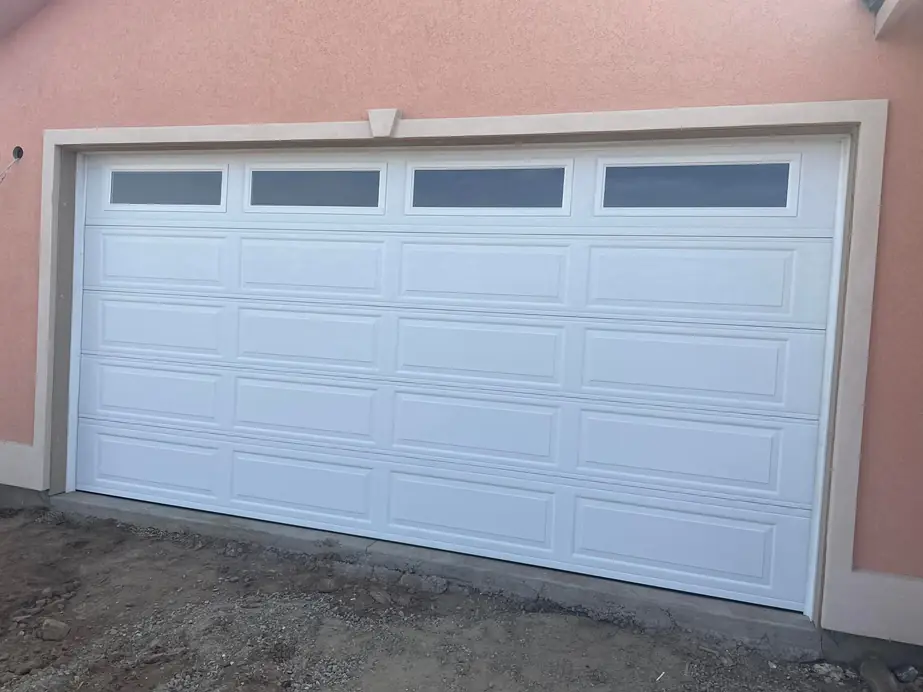
If you have ever watched a garage door glide up with a single push, you have seen springs at work. The opener gets the credit, but the springs do the lifting. Without them, the opener would be pushing the full weight of a heavy door up a track every single time.
There are two common spring systems in the Tri-Cities: torsion and extension. Both balance the door, but they do it differently, they wear differently, and they fail differently. Here is a plain-English guide to each one.
What the springs are actually doing
When the door is closed, the springs hold stored energy. As the door rises, that energy is released to help lift it. As the door comes back down, the springs wind or stretch again to absorb the weight and slow the descent.
A correctly balanced door can be lifted by hand with modest effort and will stay where you leave it about halfway up. That is the target. The opener just supplies a gentle guide. When the balance is right, everything lasts longer: the opener, the cables, the rollers and the hinges.
How a torsion spring system works
Torsion springs are mounted horizontally on a steel shaft above the door opening. One end is fixed, and the other end is wound up with tension. Cables run from drums at each end of the shaft down to the bottom corners of the door. When the door is lowered, the cables unwind from the drums, and the spring winds tighter. When the door rises, the spring unwinds and turns the shaft, which pulls the cables and lifts the door.
Most torsion systems use one or two springs on the same shaft. Because the spring twists rather than stretches, the door tends to move smoothly and evenly.
From the inside, a torsion setup looks like a long steel bar with one or two coils wrapped around it, sitting close to the wall above the door. If you see that, you have torsion.
How an extension spring system works
Extension springs are the older-looking setup. A long, tightly coiled spring runs along the top of each horizontal track, one on each side of the door. One end attaches near the front of the track, and the other end connects through a pulley and cable to the door. As the door closes, the springs stretch. As it opens, they contract and help pull the door up.
You will often find extension systems on lighter doors and in older homes. They take up less headroom space above the door, which is one reason they show up where ceiling clearance is tight. The tradeoff is that a stretched spring that breaks can whip around, so a safety cable running through the center of each spring is an important part of the setup.
If you can see a long spring on each side, running parallel to the ceiling tracks, you have extension.
How to tell which one you have
- Look above the door opening. A bar with coils wrapped around it means torsion.
- Look along the horizontal tracks on both sides. Long springs running toward the back of the garage mean extension.
- If you are not sure, take a photo and send it to the company when you call. A good tech can often tell from the picture.
Do this from the floor. Nobody needs a ladder to identify a spring.
Why the replacement has to match the door
This is the part that surprises people. A spring is not a generic part you grab off a shelf. It is sized to the door it balances. The weight of the door, its height and the way it is built all affect which spring is correct. A spring that is too weak will not balance a heavy door, and one that is too strong will fight the opener and strain the cables.
Masters Garage Doors works on both torsion and extension springs and checks the specifications against the weight of your door so the new spring works for safe operation. They also offer maintenance guidance to help extend the life of the spring, which is worth listening to, because springs are wear parts and every cycle counts.
What a good replacement looks like
When a spring is replaced, there are a few things the technician should do, and you can ask about each of them. They should check the cables and drums for fraying or wear. They should look at the rollers, hinges and brackets too. They should test the balance with the opener disconnected. And when it is done, the door should lift smoothly and stay put.
If one spring on a two-spring system has broken, it is common to replace both. They were installed together and have seen the same number of cycles, so the other one is often not far behind. One customer, Ralph Eric Leber, asked Fernando to upgrade the mechanism on his second door as a preventative measure after an emergency spring repair on the first.
If you are not sure which spring is above your door, or your door has started to feel heavy or sound rough, give Masters Garage Doors a call at (509) 531-1477. They offer a free consultation, they serve Richland, West Richland, Kennewick, Pasco and the surrounding Tri-Cities, and the spring repair page on this site explains more about what they do.
Masters Garage Doors, (509) 531-1477
Call (509) 531-1477More articles
Garage Door Spring Broke? What to Do Before You Call
A broken spring is one of the most common garage door problems in the Tri-Cities, and one of the easiest to make worse by trying to fight it yourself.
Choosing a Garage Door Opener for Your Home
An opener is something you use several times a day, so it is worth understanding what you are buying before you pick one.